Can we talk about something for a second? You can spend $80 on a serum, layer on every “glow” product Sephora has to offer, and still wake up looking dull and puffy — if what’s happening on the inside doesn’t match what you’re putting on the outside.
I say this with so much love: your skin and hair are basically a report card for what’s going on inside your body. Inflammation, blood sugar swings, gut imbalance — it all shows up on your face and in your hair before it shows up anywhere else. That’s not a guilt trip, it’s actually good news, because it means you have way more control over this than you think. And it starts with something as simple as what’s in your blender.
I put together my go-to anti-inflammatory smoothies — the ones I actually make and recommend to clients — that are specifically built around skin and hair health. Let’s get into it.
Why Inflammation Is Wrecking Your Skin and Hair (And Nobody Told You):Anti-inflammatory bsmoothie
Quick science, then I promise we’ll get to the good stuff. Chronic, low-grade inflammation breaks down collagen (the protein that keeps skin firm and plump), disrupts your gut microbiome (which controls a huge chunk of how your skin behaves), and restricts blood flow to your hair follicles, which is a big reason behind thinning or slow-growing hair.
The fix isn’t a $200 cream. It’s calming inflammation at the source — and food is one of the fastest, most direct ways to do that. Thee anti-inflammatory smoothies are rich in the nutrients that facilitates healthy skin and hair.
1. Glow Getter: Berry Collagen Smoothie
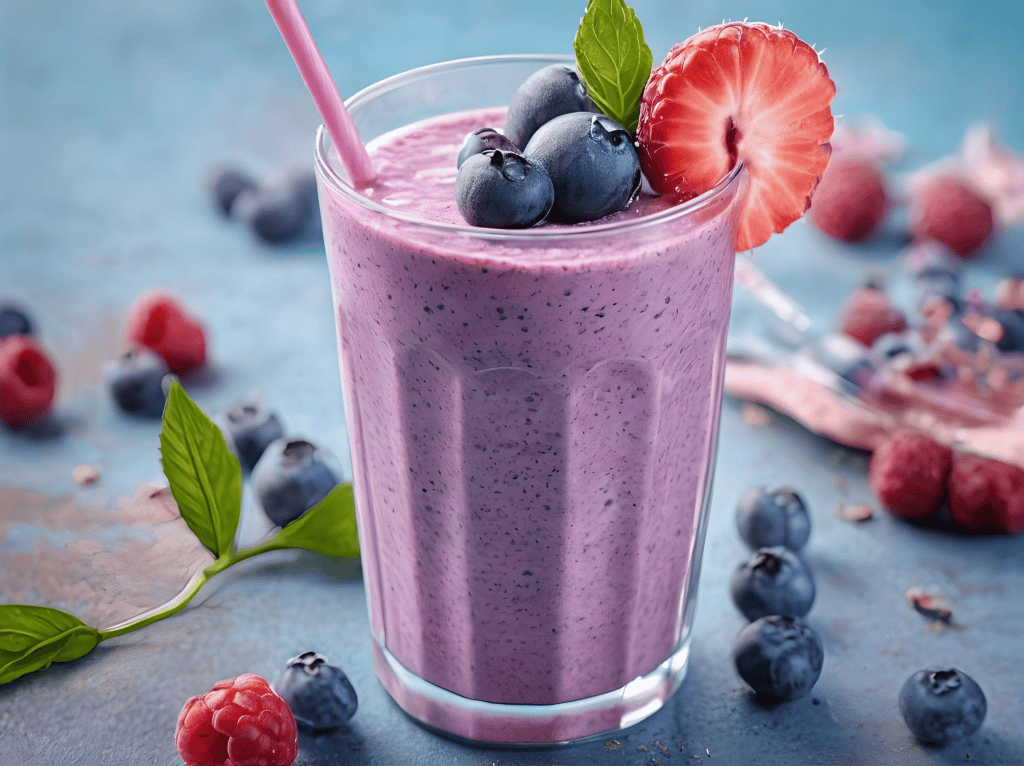
What’s in it: Blueberries, strawberries, collagen peptides, spinach, coconut water
Why it works: Berries are loaded with antioxidants that fight the oxidative stress driving skin inflammation, while collagen peptides give your body the literal building blocks it needs to keep skin firm. Spinach sneaks in vitamin C, which your body needs to actually synthesize that collagen — it’s not just along for the ride.
2. Turmeric Glow Smoothie
What’s in it: Mango, turmeric, ginger, black pepper (yes, really), coconut milk
Why it works: Turmeric is one of the most well-studied anti-inflammatory foods out there, but here’s the trick most people miss — you need black pepper with it. Piperine (the compound in black pepper) increases turmeric’s absorption significantly. Skip the pepper and you’re mostly wasting the turmeric.
3. Hair Growth Green Machine
What’s in it: Spinach, avocado, banana, pumpkin seeds, almond milk
Why it works: Pumpkin seeds are rich in zinc, a mineral directly tied to hair follicle strength and growth — deficiency is one of the more overlooked causes of thinning hair. Avocado adds biotin and healthy fats that support scalp health from the inside. This one of my favorite smoothis, because I drink it everyday and it has helped me tremendously.
4. Gut-Skin Reset Smoothie
What’s in it: Kefir or coconut yogurt, papaya, chia seeds, cinnamon
Why it works: This one’s all about the gut-skin connection. Papaya contains enzymes that support digestion, chia seeds feed your beneficial gut bacteria, and kefir adds probiotics directly. A calmer, more balanced gut consistently shows up as calmer, more balanced skin.
5. Citrus Collagen Boost
What’s in it: Orange, pineapple, collagen peptides, a splash of aloe vera juice
Why it works: Vitamin C from the citrus and pineapple supports collagen synthesis (again — collagen powder alone isn’t enough without the vitamin C to help your body use it), and aloe is naturally anti-inflammatory and hydrating from the inside out.
6. Omega Glow Smoothie
What’s in it: Frozen blueberries, ground flaxseed, walnuts, almond milk
Why it works: Flax and walnuts bring plant-based omega-3s to the table, which help calm systemic inflammation and keep your skin’s moisture barrier strong — this is a big one if you deal with dry, flaky, or easily irritated skin.
7. Golden Hour Smoothie
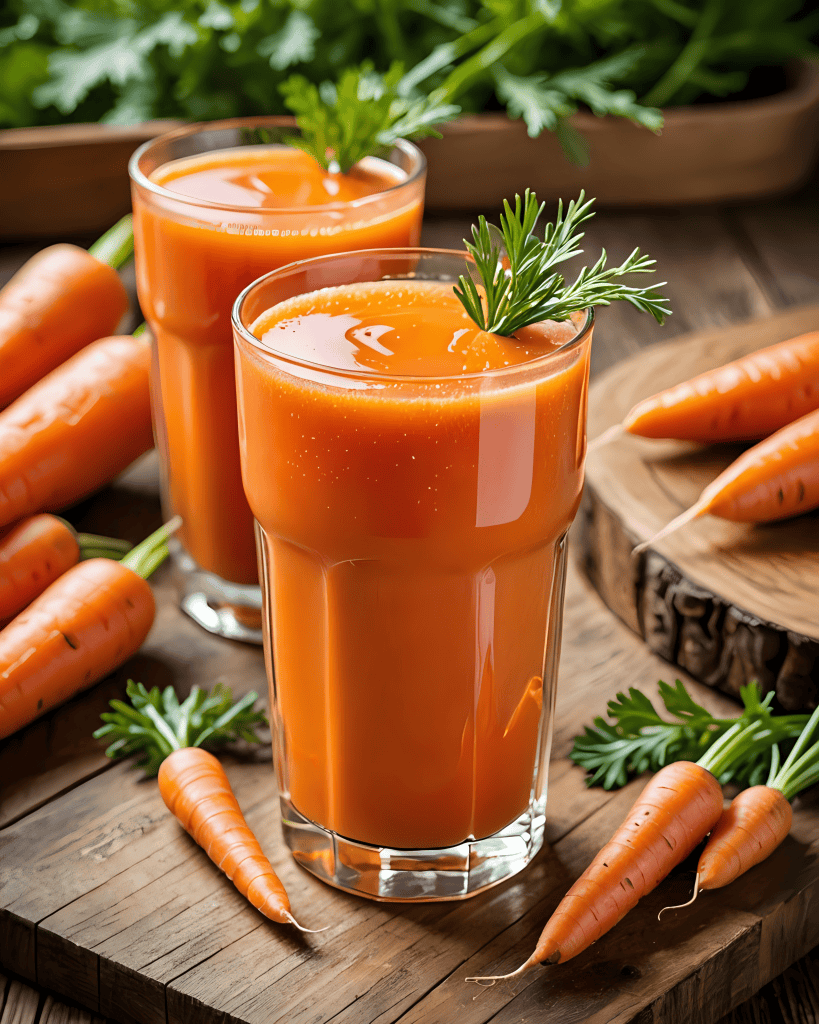
What’s in it: Carrot, orange, ginger, turmeric, a drizzle of raw honey
Why it works: Carrots are rich in beta-carotene, which your body converts to vitamin A — essential for skin cell turnover and repair. Combined with the anti-inflammatory ginger and turmeric, this one’s basically a glow-up in a glass.
A Few Tips to Get the Most Out of These
Use frozen fruit over fresh when you can — it’s often picked and frozen at peak ripeness, which actually locks in more nutrients
Don’t skip the fat (avocado, nut butter, coconut milk) — vitamins A, D, E, and K need fat to actually be absorbed
Consistency beats perfection — one smoothie won’t change your skin overnight, but making this a regular part of your week absolutely will, over a few weeks of consistency e re are the foods that will also help with chronic inflammation.
The Bigger Picture
Anti-inflammatory Smoothies are a great daily habit, but they’re one piece of a bigger puzzle. If you’re dealing with more stubborn inflammation — puffiness that won’t budge, breakouts that keep coming back, hair loss that feels like more than “just stress” — that’s usually a sign your body needs a more complete, root-cause approach, not just one more ingredient swap.
That’s exactly what I built Eat to Beat Inflammation for — a full plan that goes beyond single recipes and actually addresses what’s driving the inflammation in the first place.
Let’s be honest for a second — how many times have you told someone “everything just hurts” and had them nod like that actually explains anything?
I get it. When you’re dealing with pain day in and day out, it starts to feel like one big blur. Your knees ache, your head’s been off for weeks, your gut’s cramping, your lower back won’t quit — and somewhere along the way you just start calling all of it “pain” and leaving it at that.
But here’s what I’ve learned after years of working hands-on with women’s bodies through massage therapy and fire cupping, plus everything I’ve studied about hormone health: pain is not one thing. It’s actually your body’s way of sending you a very specific message, and different kinds of pain come from completely different root causes.
Once you know which kind of pain you’re actually dealing with, you can stop throwing random fixes at it and start actually addressing what’s underneath. So let’s break down the 5 main types of pain, what’s really driving each one, and where to start.
1. Inflammatory Pain
This is the big one, especially for women in perimenopause and beyond, and it’s honestly where I see the most confusion.
What it feels like: Achy, swollen, warm to the touch, worse in the morning or after sitting still, and it tends to move around — your knees one week, your hands the next, your lower back after that.
What’s actually causing it: Inflammatory pain happens when your immune system is in a constant, low-grade state of “attack mode.” Sometimes that’s from an autoimmune condition. Sometimes it’s from chronic stress, blood sugar swings, gut imbalances, or a diet that’s quietly feeding inflammation (hello, processed food and seed oils). And here’s the piece almost nobody talks about — estrogen actually helps regulate inflammation in your body. So when estrogen starts declining in perimenopause, inflammation can quietly ramp up, and that achy, puffy, “why does everything hurt” feeling shows up out of nowhere.
Where to start: This is where food becomes medicine, no exaggeration. Reducing inflammatory triggers and adding in anti-inflammatory foods — think leafy greens, fatty fish, turmeric, ginger, berries — makes a real, felt difference here. It’s genuinely the foundation of everything I teach inside Eat to Beat Inflammation, because this type of pain responds so well to what’s on your plate.
2. Nociceptive Pain (Mechanical Pain)
What it feels like: Sharp, localized, and directly tied to movement or injury — you twist wrong, lift something heavy, or sit hunched over your laptop for six hours and suddenly your neck is screaming.
What’s actually causing it: This is your body’s most straightforward pain signal. Nociceptors are pain receptors that detect actual physical damage or strain — a pulled muscle, a compressed joint, tight fascia. It’s mechanical, it’s structural, and honestly, it’s the type of pain most people picture when they think “pain.”
Where to start: This is exactly where hands-on bodywork shines. Massage therapy releases the muscle tension and fascia restriction that’s often driving this kind of pain, and fire cupping is incredible for pulling tension out of tight, overworked muscle groups and getting blood flow back into the area so it can actually heal.
3. Neuropathic Pain
What it feels like: Burning, tingling, numbness, “pins and needles,” or a shooting/electric sensation. It often doesn’t match up with anything you did — no injury, no obvious trigger.
What’s actually causing it: Neuropathic pain comes from the nerves themselves being irritated, compressed, or damaged, rather than from muscle or joint tissue. Blood sugar imbalance is a huge hidden driver here (this is why so many women with insulin resistance report tingling hands or feet), along with nutrient deficiencies like B12, nerve compression from posture or old injuries, and — yep — hormone fluctuations again, since your nervous system is deeply hormone-sensitive.
Where to start: Blood sugar stability is non-negotiable here. Pairing protein and fiber with your carbs, not skipping meals, and getting key nutrients like B12 and magnesium back on board can make a noticeable difference. This one often needs a little patience, but the nervous system does respond to consistent care.
4. Hormonal / Cyclical Pain
What it feels like: Pain that shows up like clockwork — cramping before or during your period, breast tenderness, migraines tied to your cycle, or that “everything hurts more this week” feeling that rolls in right on schedule.
What’s actually causing it: This one’s tied directly to the rise and fall of estrogen and progesterone throughout your cycle. Prostaglandins (compounds involved in inflammation and muscle contraction) spike right before your period, which is exactly why cramping happens. In perimenopause, this pain pattern often gets louder and less predictable because your hormone levels are swinging more dramatically than they used to.
Where to start: This is where cycle awareness becomes such a powerful tool — learning to anticipate what your body needs in each phase, supporting your liver’s ability to clear excess estrogen, and using warming, circulation-boosting practices (this is another place fire cupping and massage genuinely help) in the days leading up to your period.
5. Stress-Induced (Tension) Pain
What it feels like: Tight shoulders creeping up toward your ears, clenched jaw, tension headaches, a knot between your shoulder blades that never fully releases no matter how many times you stretch it.
What’s actually causing it: When you’re in chronic stress mode, your body holds tension in predictable places — jaw, neck, shoulders, upper back — as part of that fight-or-flight response. And here’s the sneaky part: cortisol, your main stress hormone, doesn’t just cause tension, it also feeds inflammation over time, which means stress-induced pain and inflammatory pain often end up feeding each other in a loop.
Where to start: You can’t “food” your way entirely out of this one — it needs a nervous system approach. Consistent bodywork (massage really shines here), breathwork, and simply identifying where your biggest stress loads are coming from all matter. Reducing inflammatory foods still helps break the cortisol-inflammation cycle, but the tension itself needs to be physically released, not just nutritionally managed.
The Big Takeaway
Here’s the thing I want you to walk away with: pain is information, not just an inconvenience. When you can actually name what kind of pain you’re dealing with, you stop guessing and start treating the real cause — whether that’s what’s on your plate, what’s happening with your hormones, or tension your body’s been holding onto for way too long.
And if you’re standing there thinking “okay, but mine feels like three of these at once” — you’re not wrong, and you’re not alone. Inflammation, hormones, stress, and gut health are all tangled together, which is exactly why I built Eat to Beat Inflammation the way I did — to address the root, not just chase symptoms one at a time.
Want a done-for-you plan that tackles inflammatory and hormonal pain at the root? Join the Eat to Beat Inflammation waitlist and be the first to know when it opens.
Hey friend — if you’ve ever felt like your body is working against you (exhaustion that sleep doesn’t fix, joint pain that comes out of nowhere, hormones that feel completely out of whack), you are not imagining it. And you’re definitely not alone.
Autoimmune disease is one of the most under-talked-about health crises facing women today. Nearly 4 out of 5 people living with an autoimmune condition are women, and many of these diseases hit hardest during our reproductive and perimenopausal years — right in that 35-50 sweet spot where we’re already juggling shifting hormones, careers, families, and everything in between.
In this post, we’re breaking down the top 7 autoimmune diseases in women, what causes them, the early symptoms to watch for, and — most importantly — the natural, everyday steps you can take to protect your immune system and support long-term hormone health.
Why Are Women More Prone to Autoimmune Disease?
Before we dive into the list, let’s answer the question you’re probably already asking: why us?
A few key reasons:
Estrogen and immune activity are deeply connected. Estrogen can amplify immune responses, which is protective against infection but can also increase the odds of the immune system misfiring and attacking healthy tissue.
The X chromosome carries immune-related genes. Women carry two X chromosomes, and a process called “X inactivation” doesn’t always silence genes perfectly — this can leave extra immune-regulating genes active, increasing autoimmune risk.
Hormonal transitions are immune system triggers. Puberty, pregnancy, postpartum, and perimenopause/menopause all involve major hormonal shifts, and many autoimmune diseases first appear or flare during these windows.
Chronic stress and inflammation compound the risk. Women statistically report higher rates of chronic stress, which drives cortisol dysregulation and low-grade inflammation — two major players in autoimmune onset.
Gut health and the microbiome. Around 70% of immune tissue lives in the gut, and imbalances here (often worsened by processed foods, antibiotics, and chronic stress) are strongly linked to autoimmune flares. Pickup our Balance Her Naturally to help you steer clear and prevent autoimmune diseases.
Now let’s get into the diseases themselves.
1. Hashimoto’s Thyroiditis
What it is: The most common autoimmune disease overall, Hashimoto’s occurs when the immune system attacks the thyroid gland, gradually reducing its ability to produce thyroid hormone (leading to hypothyroidism).
Cause: A mix of genetic predisposition, estrogen fluctuation, iodine sensitivity, chronic stress, and gut permeability (“leaky gut”) are believed to trigger the immune attack on thyroid tissue.
Symptoms: Fatigue, unexplained weight gain, brain fog, hair thinning, cold intolerance, dry skin, and depression or low mood.
Manage stress with daily nervous-system regulation (breathwork, walking, magnesium)
Get thyroid antibodies (TPO, TgAb) checked early if there’s a family history
2. Rheumatoid Arthritis (RA)
What it is: RA is an inflammatory autoimmune condition where the immune system attacks the joint lining, causing pain, swelling, and eventually joint damage if untreated.
Cause: Genetic risk combined with environmental triggers like smoking, obesity, chronic infections, and hormonal shifts (RA often improves during pregnancy and flares postpartum, revealing how tightly it’s tied to hormones).
Symptoms: Symmetrical joint pain and stiffness (especially hands, wrists, and feet), morning stiffness lasting over 30 minutes, fatigue, and low-grade fever.
Gentle, consistent movement (walking, swimming, yoga) to keep joints mobile
3. Systemic Lupus Erythematosus (Lupus/SLE)
What it is: Lupus is a systemic autoimmune disease that can affect the skin, joints, kidneys, heart, and brain — making it one of the more unpredictable and serious conditions on this list.
Cause: Genetics combined with environmental triggers such as UV light exposure, certain infections, and hormonal changes. Lupus overwhelmingly affects women during childbearing years.
Symptoms: Butterfly-shaped facial rash, joint pain, extreme fatigue, sun sensitivity, fever, and hair loss.
Prevention & Support:
Daily sun protection (SPF, protective clothing)
Prioritize sleep and stress reduction — lupus flares are strongly stress-linked
Anti-inflammatory nutrition rich in antioxidants
Regular checkups to monitor kidney and cardiovascular health
Sjögren’s Syndrome
What it is: This condition causes the immune system to attack the glands that produce moisture, primarily the tear and salivary glands — women make up roughly 90-95% of cases.
Cause: Genetic predisposition combined with hormonal shifts, often appearing around perimenopause or after a viral trigger.
Symptoms: Chronic dry eyes and dry mouth, fatigue, joint pain, and dry skin.
Prevention & Support:
Stay well hydrated and support omega-3 intake for moisture production
Avoid drying environments and excess caffeine/alcohol
Support saliva and tear production with humidifiers and preservative-free eye drops
Reduce processed sugar, which can worsen dryness-related inflammation
5. Multiple Sclerosis (MS)
What it is: MS is an autoimmune condition where the immune system attacks the protective coating (myelin) around nerve fibers, disrupting communication between the brain and body.
Cause: A combination of genetic susceptibility, low vitamin D, smoking, viral triggers (like Epstein-Barr virus), and hormonal shifts — MS is 2-3 times more common in women and often diagnosed between ages 20-50.
Symptoms: Numbness or tingling, vision problems, muscle weakness, balance issues, and extreme fatigue.
Prevention & Support:
Maintain healthy vitamin D levels (get tested, supplement if low)
Avoid smoking
Support nervous system health with omega-3s and anti-inflammatory foods
Prioritize stress management, as flares are often stress-triggered
6. Celiac Disease
What it is: An autoimmune reaction to gluten that damages the lining of the small intestine, impairing nutrient absorption.
Cause: Genetic predisposition (HLA-DQ2/DQ8 genes) combined with gluten exposure. It can activate at any life stage, including after pregnancy, illness, or high-stress periods.
If diagnosed, a strict gluten-free diet is currently the only effective management
Rebuild gut lining with bone broth, fiber, and gut-supportive nutrients
Address nutrient deficiencies (iron, B12, vitamin D) common with celiac
Get screened early if you have a family history or unexplained digestive symptoms
7. Graves’ Disease
What it is: The autoimmune opposite of Hashimoto’s — Graves’ disease causes the immune system to overstimulate the thyroid, leading to hyperthyroidism (excess thyroid hormone).
Cause: Genetic predisposition combined with high stress, smoking, and hormonal transitions like postpartum or perimenopause.
Prioritize stress management (Graves’ is one of the most stress-sensitive autoimmune conditions)
Support adrenal and nervous system health with magnesium and consistent sleep
Reduce stimulants like excess caffeine
Monitor thyroid function regularly if symptoms appear
The Bottom Line: You Can Support Your Immune System Starting Today
Here’s the empowering part, friend — while genetics play a role in autoimmune disease, they’re not the whole story. Chronic inflammation, gut imbalance, unmanaged stress, and hormone disruption are all modifiable factors, and every small shift you make toward an anti-inflammatory lifestyle helps your body function the way it’s meant to.
If any of these symptoms sound familiar, don’t wait it out — get bloodwork done and advocate for yourself with your doctor. Autoimmune diseases are notoriously under-diagnosed in women, often dismissed as “just stress” or “just hormones.” Trust your body. You know it better than anyone.
💛 Want a deeper, step-by-step plan to calm inflammation and rebalance your hormones naturally?Join the waitlist for Eat to Beat Inflammation— my upcoming program built specifically for women navigating hormone shifts, autoimmune risk, and chronic inflammation.
This article is for educational purposes only and is not a substitute for professional medical advice, diagnosis, or treatment. Always consult your doctor before making changes to your health routine.
If you’ve spent years chasing a diagnosis, popping pills that barely touched your symptoms, or being told “your labs look fine” while your body screamed otherwise — this one’s for you.
Because here’s what most of us weren’t told: chronic illness and inflammation are deeply connected. And for too long, that connection was either ignored, minimized, or flat-out missed.
It’s time to change that.
What We Were Told (And Why It Was Wrong)
For decades, the standard approach to chronic illness went something like this: you show up with symptoms, you get a label, you get a prescription. Repeat.
We were told that conditions like fibromyalgia, autoimmune disease, IBS, chronic fatigue, joint pain, brain fog, and hormonal chaos were just “how things are.” Some of us were told it was stress. Some were told it was aging. Some were told it was all in our heads.
What we weren’t told? That underneath many of these conditions, quietly driving the chaos, was chronic inflammation.
Not the kind of inflammation you see when you sprain your ankle — that’s acute inflammation, and it’s actually your body doing its job. We’re talking about low-grade, systemic, silent inflammation that simmers in the background for years, slowly damaging tissues, disrupting hormones, wrecking the gut, and exhausting your immune system.
And here’s the kicker — the standard Western diet, our stressful lifestyles, poor sleep, and environmental toxins? They feed it. Every. Single. Day.
The Truth About Chronic Inflammation
Chronic inflammation isn’t a mystery. Science has known about its role in disease for years. Research has linked it to:
Heart disease
Type 2 diabetes
Autoimmune conditions like rheumatoid arthritis, lupus, and Hashimoto’s
PCOS and hormonal imbalances
Leaky gut and digestive disorders
Depression and anxiety
Chronic pain and fatigue
So why weren’t we told? A few reasons. The conventional medical model is built around treating symptoms, not root causes. Inflammation doesn’t always show up clearly on standard bloodwork. And frankly, telling someone to change their food, manage their stress, and prioritize sleep isn’t as quick as writing a prescription.
But the truth is out now — and you deserve to know it.
Your Body Was Always Trying to Heal
Here’s something that might shift everything for you: your body is not broken. It is not betraying you. It has been fighting for you — desperately — while being bombarded with inflammatory triggers it was never designed to handle at this level.
This inflammation is your immune system stuck in overdrive. It’s a response to a threat that never fully goes away — whether that’s processed food, chronic stress, gut dysbiosis, environmental toxins, hormonal shifts, or a combination of all of the above.
When you start removing those triggers and giving your body what it actually needs, healing becomes possible. Real, sustainable healing.
How to Combat Inflammation and Reclaim Your Health
You don’t need to overhaul your entire life overnight. Start here:
1. Clean Up Your Plate Food is the fastest way to either fan the flames or cool them down. Anti-inflammatory eating focuses on whole, nutrient-dense foods: leafy greens, colorful vegetables, wild-caught fish, healthy fats like olive oil and avocado, berries, turmeric, ginger, and fiber-rich foods that feed a healthy gut.
Cut back on the big offenders: refined sugar, processed seed oils, ultra-processed foods, gluten (especially if you have an autoimmune condition), and alcohol.
2. Heal Your Gut Up to 70% of your immune system lives in your gut. If your gut lining is compromised — what many call “leaky gut” — inflammatory proteins slip into your bloodstream and trigger a full-body immune response. Prioritize fermented foods, prebiotic fiber, bone broth, and consider a quality probiotic.
3. Balance Your Hormones Estrogen dominance, high cortisol, insulin resistance, and low progesterone all create an inflammatory environment in the body. Supporting your hormones through food, stress reduction, and balanced blood sugar is a game-changer — especially for women in perimenopause and beyond. In short, this guide will help you balance your hormone. Balance Her Naturally
4. Move Your Body (Gently) You don’t need to crush yourself at the gym. In fact, over-exercising can increase inflammation. Regular, moderate movement — walking, yoga, swimming, strength training — helps regulate your immune response, balance cortisol, and support lymphatic drainage.
5. Prioritize Sleep Like It’s Medicine Because it is. During deep sleep, your body repairs, your immune system resets, and inflammation is cleared. Chronic poor sleep is one of the fastest ways to spike inflammatory markers. Aim for 7–9 hours and protect your sleep environment like it’s sacred.
6. Manage Stress at the Root Cortisol — your primary stress hormone — is pro-inflammatory in excess. Chronic stress keeps your body in fight-or-flight mode, which is essentially a state of sustained inflammation. Breathwork, meditation, journaling, time in nature, and body-based practices like massage therapy and cupping can all help bring your nervous system back to safety.
7. Reduce Your Toxic Load Your liver is your main detox organ, and it’s also a key player in inflammation regulation. Swap conventional cleaning and personal care products for cleaner alternatives, filter your water, and reduce your exposure to plastics and synthetic fragrances where you can.
You Were Not Overreacting. You Were Under-Informed.
If you’ve spent years feeling sick, exhausted, dismissed, or confused — please hear this: you were not dramatic. You were not weak. You were operating with incomplete information in a system that wasn’t designed to look for what was actually wrong.
The good news? You can take your health back. One meal, one habit, one choice at a time.
Inflammation is not your destiny. It’s a signal. And now that you know what it’s saying, you can actually start to respond.
Ready to Take the Next Step?
If you’re ready to learn exactly how to eat, move, and live in a way that calms inflammation and supports your hormones, your gut, and your whole body — the Eat to Beat Inflammation program was built for you.
Join the waitlist now and be the first to know when doors open.
At Balance Her Naturally, we believe every woman deserves to feel good in her body — not just survive in it. Follow along on Instagram, TikTok, and Pinterest for daily tips on anti-inflammatory living, hormone health, and feeling like yourself again.
Let’s be real for a second — waking up with stiff, achy joints is exhausting. You’re already juggling a full life, and the last thing you need is your body fighting against you before you’ve even had your morning coffee. If you’ve been diagnosed with arthritis — whether it’s osteoarthritis, rheumatoid arthritis, or psoriatic arthritis — or you’re noticing more joint pain and inflammation as you move through your 30s, 40s, and 50s, you might be unknowingly making it worse with what you put on your plate. You may not be aware of foods that make arthritis worse, but that will no longer be after you’re finished with this blog post.
Here’s the thing: inflammation is at the root of arthritis pain. And your diet is one of the most powerful tools you have to either calm that inflammation — or completely fan the flames. The good news? Once you know which foods to avoid with arthritis, you can start making changes that actually make a difference in how you feel day to day.
So let’s get into it. Here are the 12 foods that are making your arthritis worse — and yes, a few of them might surprise you.
Sugar and High-Fructose Corn Syrup
If there’s one thing you do after reading this article, let it be cutting back on added sugar. Sugar is one of the biggest drivers of systemic inflammation in the body, and for arthritis sufferers, it’s practically pouring gasoline on the fire.
High-fructose corn syrup — found in sodas, juices, condiments, and processed snacks — triggers the release of inflammatory cytokines. These are the same chemicals your immune system produces when it’s attacking your joints in conditions like rheumatoid arthritis.
Ask yourself: How much hidden sugar am I consuming daily? Check your salad dressings, sauces, and even “healthy” granola bars — the sugar adds up fast.
Refined Carbohydrates and White Flour Products
White bread, pastries, crackers, and pasta made from refined white flour spike your blood sugar rapidly — and that blood sugar spike triggers an inflammatory response. Studies have shown that diets high in refined carbohydrates are associated with increased levels of C-reactive protein (CRP), a key marker of inflammation in the body.
For women going through perimenopause and menopause, this is especially important. Hormonal shifts already make the body more susceptible to inflammation — refined carbs just make it worse.
3. Fried and Processed Foods
French fries, fried chicken, donuts, and most fast food are cooked in oils that are high in omega-6 fatty acids. While your body needs some omega-6, the modern Western diet is wildly out of balance — we’re getting way too much omega-6 and not nearly enough omega-3. This imbalance promotes inflammation throughout the body, which directly worsens arthritis symptoms including joint swelling, stiffness, and pain.
Processed foods also contain advanced glycation end products (AGEs) — compounds that form when food is cooked at high temperatures and have been directly linked to increased joint inflammation.
4. Vegetable and Seed Oils (Corn, Sunflower, Soybean)
Most commercially produced vegetable oils — corn oil, sunflower oil, soybean oil, and canola oil — are high in omega-6 fatty acids. These oils are found in almost everything packaged at the grocery store and are used heavily in restaurant cooking. The chronic inflammation they promote can trigger arthritis flare-ups and keep your joints in a constant state of irritation.
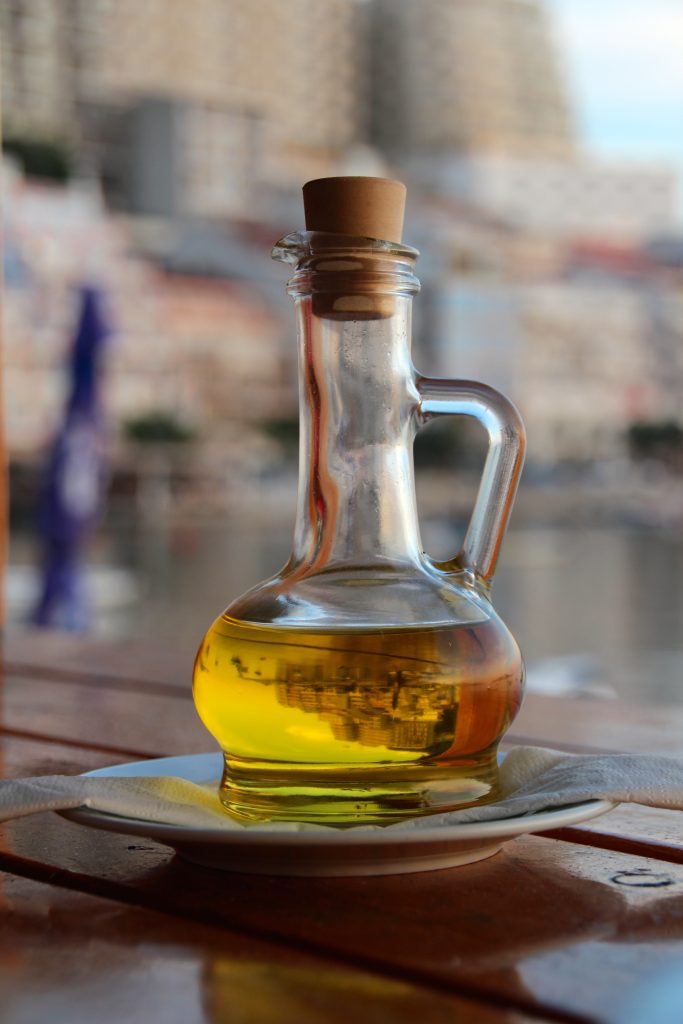
Swap these out for anti-inflammatory options like extra virgin olive oil, avocado oil, and coconut oil.
5. Alcohol
This one can feel unfair, especially when a glass of wine feels like the one thing helping you unwind. But alcohol increases intestinal permeability (also known as leaky gut), allows toxins to enter your bloodstream, and triggers systemic inflammation — all of which can worsen arthritis symptoms.
For women with rheumatoid arthritis specifically, alcohol can also interfere with arthritis medications and suppress the immune regulation your body depends on. Even moderate drinking has been shown to increase inflammatory markers in some studies.
6. Dairy Products
Dairy is a controversial one — and the truth is, it affects everyone differently. However, full-fat dairy products contain saturated fat that can increase inflammatory markers in some people. Additionally, casein (the protein in dairy) has been shown to irritate the tissue around joints in people who are sensitive to it.
Have you ever tried eliminating dairy for a few weeks to see how your joints respond? Many women are shocked by how much better they feel after cutting it out. An elimination diet can be a powerful diagnostic tool.
7. Red Meat and Processed Meats
Red meat — especially when it’s conventionally raised and consumed in large amounts — is high in saturated fat and contains compounds called purines that break down into uric acid. Elevated uric acid levels are directly linked to gout, a form of inflammatory arthritis that causes intense joint pain, most commonly in the big toe.
Processed meats like hot dogs, sausages, and deli meats contain nitrates, preservatives, and high sodium levels that further fuel inflammation. If you do eat red meat, opt for grass-fed options in smaller portions and pair it with plenty of vegetables.
8. Gluten (For Sensitive Individuals)
If you have an undiagnosed gluten sensitivity or celiac disease, gluten — found in wheat, barley, and rye — can trigger a significant immune response that contributes to whole-body inflammation, including in your joints. Research has found a notable connection between celiac disease and rheumatoid arthritis.
Even without a formal diagnosis, many women report that going gluten-free significantly reduces their joint pain and swelling. It’s worth exploring, especially if you also experience bloating, brain fog, or fatigue — classic signs of gluten sensitivity.
9. Nightshade Vegetables (For Some People)
Tomatoes, peppers, eggplant, and potatoes belong to the nightshade family and contain alkaloids called solanine. For some people — particularly those with inflammatory arthritis — these alkaloids can aggravate joint inflammation and worsen symptoms.
The research is still mixed on this one, and many people with arthritis eat nightshades without issue. But if you’ve been eating all the “healthy” foods and still struggling, nightshades might be worth eliminating temporarily to see if your symptoms improve.
10. Salt and High-Sodium Foods
Excess sodium causes the body to retain water, which puts added pressure on already inflamed joints. High-sodium diets have also been linked to increased autoimmune activity, which is a major concern for women with rheumatoid arthritis or other autoimmune conditions.
The sneaky sources of sodium include canned soups, frozen meals, condiments, pickles, cheese, and even bread. Reading nutrition labels becomes a game changer here.
11. Artificial Additives, Preservatives, and Food Dyes
Aspartame, MSG, artificial food colorings, and chemical preservatives found in ultra-processed foods have been shown to trigger inflammatory responses in sensitive individuals. For women managing arthritis alongside other hormonal or autoimmune challenges, these additives add unnecessary stress to an already burdened immune system.
The closer you eat to whole, natural foods, the less your body has to fight off these foreign compounds — leaving your immune system free to focus on healing rather than reacting.
12. Omega-6-Heavy Cooking Oils and Margarine
Margarine and spreads made from partially hydrogenated oils contain trans fats that have been shown to increase inflammatory markers like interleukin-6 (IL-6) and tumor necrosis factor-alpha (TNF-α) — both of which are involved in the inflammatory processes that drive arthritis.
Even though trans fats have been largely removed from commercial foods in Canada and the US, they can still appear in imported products and certain processed foods. Always check your labels.
So What Should You Eat Instead?
Here’s the empowering part: food truly is medicine. An anti-inflammatory diet rich in whole foods can dramatically reduce arthritis symptoms, support hormone balance, and help you feel like yourself again. Focus on building your meals around these healing foods:
Fatty fish (salmon, sardines, mackerel) — rich in omega-3 fatty acids that reduce joint inflammation
Leafy greens (spinach, kale, Swiss chard) — packed with antioxidants and Vitamin K for joint health
Olive oil — oleocanthal in extra virgin olive oil has similar anti-inflammatory effects to ibuprofen
Turmeric and ginger — powerful natural anti-inflammatory spices
Walnuts and seeds (flaxseeds, chia seeds) — excellent plant-based sources of omega-3s
Bone broth — rich in collagen and gelatin that support joint repair and gut healing
The Gut-Hormone-Arthritis Connection Women Need to Know About
Here’s something that doesn’t get talked about enough: your gut health, your hormones, and your arthritis are all deeply connected. A compromised gut lining allows inflammatory compounds to leak into your bloodstream, triggering immune reactions that show up as joint pain. At the same time, hormonal imbalances — especially estrogen fluctuations during perimenopause — can increase the body’s inflammatory response.
This is exactly why the foods you eat matter so much. Healing your gut, balancing your hormones, and reducing inflammation are three pillars that work together. When one improves, the others follow.
Are you ready to take a deeper look at how inflammation might be affecting your hormones and overall health? That’s exactly what we explore inside the Eat to Beat Inflammation program.
Ready to Start Eating to Heal?
Understanding what’s fueling your inflammation is the first step — but having a clear, practical plan to eat differently (without feeling deprived) is where real transformation happens.
If you’re tired of waking up stiff, struggling through flare-ups, and wondering if food really can make a difference — I want you to know: it absolutely can. And I’ve seen it happen again and again in women just like you.
➡️ Join the waitlist for Eat to Beat Inflammation— a simple, doable guide to eating in a way that calms inflammation, supports hormone balance, and helps your body finally feel at home again.
Your joints, your hormones, and your whole body will thank you. 🌿 may
The connection every woman needs to understand before it is too late
Focus Keyphrase: chronic illnesses made worse by inflammation SEO Title: Chronic Illnesses Made Worse by Inflammation — What Every Woman Needs to Know Meta Description: Discover the chronic illnesses made worse by inflammation and how this silent fire inside your body could be driving your symptoms. Learn how to fight back naturally. URL Slug: chronic-illnesses-made-worse-by-inflammation
Okay friend — I need you to sit down for this one. Maybe grab a cup of ginger tea. Because what I am about to share with you is the kind of information that makes you go — “why did nobody tell me this YEARS ago?!”
We have talked about inflammation before on this blog. We have talked about what it is, what causes it and what it does to your hormones. But today we are going even deeper. Today we are talking about the chronic illnesses made worse by inflammation — the conditions that millions of women are living with every single day — that are being silently amplified, accelerated and intensified by the inflammatory fire burning inside their bodies.
And here is the part that really gets me fired up friend —
Many of these women have NO idea that inflammation is making everything so much worse.
They are managing their symptoms. Taking their medications. Doing their best. But nobody has connected the dots between what they are eating, how they are living and why their condition keeps getting harder to manage.
Well friend — today we are connecting those dots. Let us go!
First — A Quick Reminder About What Chronic Inflammation Actually Is
Imagine your immune system as a team of firefighters — brave, hardworking and completely dedicated to protecting you. Their job is to show up when there is a threat, put out the fire and go home.
But what happens when those firefighters never go home?
What happens when they stay in your body day after day — running around in a constant state of emergency — even when there is no real fire to fight?
They start damaging the very tissues and organs they were meant to protect. They attack healthy cells. They break down joints, gut lining, brain tissue and blood vessels. They throw your hormones into chaos. They make existing health conditions significantly and sometimes dramatically worse.
That is chronic inflammation. And it is behind more of what ails us than most people — including many doctors — fully appreciate.
The Chronic Illnesses Made Worse by Inflammation
1. Arthritis — Rheumatoid and Osteoarthritis
Let us start with one of the most obvious connections — because with arthritis the inflammation is literally IN the name. Rheumatoid arthritis is actually classified as an autoimmune inflammatory disease — meaning inflammation IS the disease mechanism. Your immune system attacks your own joint tissue — causing the swelling, pain, stiffness and eventual joint destruction that characterize this condition.
But even osteoarthritis — long thought to be simply a wear and tear condition — is now understood to have a significant inflammatory component. Inflammatory compounds called cytokines accelerate cartilage breakdown and worsen joint pain far beyond what the mechanical wear alone would cause.
For women with arthritis — reducing systemic inflammation through diet and lifestyle is not just helpful. It is one of the most powerful disease modifying interventions available.
What this looks like: Joints that are more swollen and painful after eating inflammatory foods. Flares triggered by stress — which raises cortisol and inflammatory markers simultaneously. Better symptom days that correlate with cleaner eating and good sleep.
❤️ 2. Heart Disease — The Number One Killer of Women
Friend — this one is so important and so underappreciated that I need you to really hear it.
Heart disease kills more women than any other condition. And for decades we thought it was primarily about cholesterol. But the science has shifted dramatically — and we now know that chronic inflammation is one of the PRIMARY drivers of cardiovascular disease in women.
Here is how it works. Chronic inflammation damages the inner lining of your arteries — called the endothelium. This damage creates a rough, sticky surface where cholesterol and immune cells accumulate — forming the plaques that narrow your arteries, raise your blood pressure and ultimately cause heart attacks and strokes.
Without inflammation — cholesterol alone is far less dangerous. WITH chronic inflammation — even moderate cholesterol levels become significantly more threatening.
The inflammatory marker CRP — C-reactive protein — is now considered one of the most important predictors of cardiovascular risk in women — more predictive in some studies than cholesterol itself.
What this means for you: Every anti-inflammatory food you eat, every stress management practice you adopt, every night of quality sleep you prioritize — is actively protecting your heart. This is not abstract future health friend. This is RIGHT NOW medicine.
🧠 3. Depression and Anxiety — The Brain Inflammation Connection
This one stops most people in their tracks — because we have been conditioned to think of depression and anxiety as purely psychological conditions. Chemical imbalances in the brain. Neurotransmitter issues. Emotional problems.
But the emerging science tells a radically different and profoundly hopeful story.
Chronic inflammation crosses the blood brain barrier and triggers neuroinflammation — inflammation of the brain tissue itself. This neuroinflammation directly reduces serotonin production, impairs dopamine signaling, disrupts the stress response system and creates the symptoms we recognize as depression and anxiety.
Studies have found significantly elevated inflammatory markers in people with depression and anxiety. Anti-inflammatory interventions — including dietary changes, omega 3 supplementation and exercise — have been shown to improve depressive symptoms significantly in clinical trials.
For women over 35 — whose declining estrogen is already reducing serotonin production AND increasing inflammatory vulnerability simultaneously — this connection is particularly important to understand.
What this looks like: Depression that worsens after periods of poor eating, high stress or alcohol consumption. Anxiety that spikes during inflammatory flares. Mood that improves noticeably within weeks of adopting an anti-inflammatory diet.
🩸 4. Type 2 Diabetes — Inflammation and Insulin Resistance
The relationship between chronic inflammation and type 2 diabetes is a deeply vicious cycle.
Chronic inflammation drives insulin resistance — by interfering with the signaling pathways that allow insulin to do its job. Cells become less responsive to insulin. Blood sugar rises. The pancreas pumps out more insulin. And elevated insulin levels drive MORE inflammation — completing the destructive circle.
Inflammatory compounds called cytokines directly impair the function of the beta cells in your pancreas that produce insulin — accelerating the progression from insulin resistance to full type 2 diabetes.
For women already managing blood sugar issues — or trying to prevent diabetes — addressing chronic inflammation is not optional. It is central to everything.
What this looks like: Blood sugar levels that are harder to control after periods of inflammatory eating or high stress. Better insulin sensitivity on days of clean eating and good sleep. The frustrating cycle of sugar cravings driving inflammation driving more sugar cravings.
🦋 5. Thyroid Conditions — Hashimoto’s and Hypothyroidism
Hashimoto’s thyroiditis — the most common cause of hypothyroidism in women — is an autoimmune condition in which your immune system attacks your own thyroid gland. And at the root of this autoimmune attack? Chronic inflammation.
Inflammatory compounds damage thyroid tissue directly. They impair the production and conversion of thyroid hormones. They disrupt the signaling between your brain and your thyroid. And they create a state of immune dysregulation that makes the autoimmune attack on your thyroid progressively worse.
Many women with Hashimoto’s find that addressing inflammation — particularly through eliminating gluten and other dietary triggers, healing their gut and reducing stress — dramatically improves their thyroid function and reduces their antibody levels over time.
What this looks like: Thyroid symptoms that worsen during periods of high stress or inflammatory eating. Fatigue, hair loss, brain fog and weight gain that improve significantly with anti-inflammatory dietary changes. Elevated thyroid antibodies that reduce with sustained inflammation reduction.
6. Asthma and Respiratory Conditions
Asthma is fundamentally an inflammatory condition of the airways. The inflammation causes the bronchial tubes to swell, produce excess mucus and become hypersensitive to triggers — making breathing genuinely difficult and sometimes dangerous.
Chronic systemic inflammation worsens asthma by keeping the airways in a perpetual state of inflammatory readiness — making attacks more frequent, more severe and harder to manage.
Anti-inflammatory foods — particularly omega 3 rich foods, turmeric and ginger — have been shown to reduce airway inflammation and improve respiratory function in people with asthma. Gut health also plays a significant role — with emerging research showing strong connections between gut microbiome diversity and respiratory health through what is called the gut lung axis.
What this looks like: Asthma that is harder to control during high stress periods. Respiratory symptoms that worsen after consuming inflammatory foods like processed snacks, alcohol and sugar. Improved breathing and reduced inhaler dependency with sustained anti-inflammatory lifestyle changes.
All autoimmune conditions share a common thread — a dysregulated immune system that attacks the body’s own tissues. And at the root of immune dysregulation? Chronic inflammation.
Lupus — systemic inflammation attacks multiple organ systems simultaneously — joints, skin, kidneys, heart and brain. Inflammatory flares drive the most severe symptoms and organ damage.
Multiple Sclerosis — neuroinflammation damages the myelin sheath protecting nerve fibers — causing the progressive neurological symptoms that characterize this condition.
Inflammatory Bowel Disease — including Crohn’s disease and ulcerative colitis — involves chronic inflammation of the gastrointestinal tract causing severe digestive symptoms, nutritional deficiencies and significantly increased cancer risk.
For all autoimmune conditions — reducing systemic inflammation is one of the most important therapeutic goals. Diet, gut healing, stress management and natural anti-inflammatory remedies all play meaningful roles in managing disease activity and reducing flare frequency.
8. Chronic Fatigue Syndrome and Fibromyalgia
Both of these conditions — which disproportionately affect women — have long been misunderstood, dismissed and undertreated. But research is increasingly pointing to chronic inflammation and immune system dysregulation as central mechanisms in both.
Women with chronic fatigue syndrome show significantly elevated inflammatory markers and evidence of neuroinflammation that directly impairs energy production at the cellular level. Women with fibromyalgia show elevated inflammatory compounds that amplify pain signaling and create the widespread body pain, fatigue and cognitive difficulties that characterize this condition.
Anti-inflammatory dietary interventions, gut healing protocols and stress reduction have all shown promise in reducing the severity of both conditions — offering real hope to women who have often been told there is nothing that can be done.
9. Cancer — The Inflammation Connection
Friend — this one is important and I want to share it with care and clarity.
Chronic inflammation creates an environment in the body that promotes the development, growth and spread of cancer cells. Inflammatory compounds promote DNA damage, impair immune surveillance of abnormal cells and create the cellular environment in which cancer thrives.
Certain cancers have particularly strong inflammatory connections — including breast cancer, colorectal cancer, ovarian cancer and endometrial cancer — all of which disproportionately affect women.
This does not mean that inflammation causes cancer in every case — cancer is extraordinarily complex. But it does mean that reducing chronic inflammation is one of the most powerful cancer prevention strategies available to us. And it is one entirely within our control through daily food and lifestyle choices.
Ready to take your first step toward reducing inflammation and protecting yourself from every condition on this list? Join the waitlist for ourEat to Beat Inflammationprogram today and be first in line for your exclusive early bird discount!
Link at the end of the article
10. Osteoporosis — Bone Loss and Inflammation
This one surprises most women — but the connection is well established in the research.
Chronic inflammation activates cells called osteoclasts that break down bone tissue — while simultaneously suppressing the osteoblasts responsible for building new bone. The result is accelerated bone loss that goes far beyond what the natural decline in estrogen alone would cause.
For women over 35 who are already facing increased bone loss risk from declining estrogen — chronic inflammation adds an additional and significant layer of bone destroying activity that makes osteoporosis risk dramatically higher.
Anti-inflammatory foods, regular weight bearing exercise, adequate vitamin D and K2 and gut health optimization all play important roles in protecting bone density alongside inflammation reduction.
The Common Thread — And the Common Solution
Friend — did you notice something as you read through that list?
Every single condition on it — from arthritis to heart disease to depression to cancer — shares the same underlying driver. The same silent fire burning beneath the surface. The same inflammatory process quietly amplifying, accelerating and worsening everything.
And here is the beautiful, empowering, life changing truth —The same anti-inflammatory lifestyle that addresses one of these conditions addresses ALL of them simultaneously.
The turmeric in your morning smoothie is protecting your joints AND your heart AND your brain AND your hormones AND your gut. All at the same time. With every single sip.
The walk you take in the morning light is reducing cortisol AND improving insulin sensitivity AND supporting your thyroid AND lowering your cancer risk. All at once.
The good sleep you prioritize tonight is reducing neuroinflammation AND protecting your bones AND balancing your immune system AND improving your mood. All while you rest.
This is the extraordinary power of addressing inflammation at its root friend. You do not just treat one problem. You shift the entire terrain of your body toward health — comprehensively, naturally and deliciously.
That is what the Eat to Beat Inflammation program is all about. And that is what everyrecipe, every meal plan and every natural remedy in this blog exists to support.
You have more power over your health than you have ever been told. And every single day — with every single meal — you get to use it.
So use it beautifully friend.
Ready to take your first step toward reducing inflammation and protecting yourself from every condition on this list? Join the waitlist for ourEat to Beat Inflammationprogram today and be first in line for your exclusive early bird discount!
Life has a way of throwing curveballs we never see coming. One day, you’re strong, independent, and moving through life with plans and goals. Then suddenly, your health takes a turn, and everything changes. The truth is, when your health fails, money doesn’t matter the same way. All the success, wealth, and possessions in the world can’t replace the strength you lose when your body stops cooperating, because health is wealth.
This is where faith becomes more than just a word. It becomes your anchor.
Health Is Wealth, But Faith Sustains You
You’ve probably heard the saying, “Health is wealth.” And it’s true. Without health, wealth feels empty. You can’t enjoy your hard work if you’re stuck in pain, in bed, or constantly at the doctor’s office. But here’s the part that people forget to mention: faith carries you through the moments money and medicine can’t fix.
Faith gives you hope when your body feels broken. Faith reminds you that your story isn’t over. Faith is the quiet strength that whispers, “You can still live. You can still love. You can still rise.”
The Emotional Toll of Failing Health
When your health fails, it’s not just physical — it’s emotional and mental, too. You start questioning your worth, your independence, and even your future. It’s easy to slip into fear, anxiety, or depression. I know this feeling because I’ve lived it. It feels like you’re carrying the weight of the world, and nobody truly understands.
But here’s the truth: you are not alone. Countless people are silently fighting health battles while trying to hold their lives together. That’s why it’s important to lean on your faith, because faith doesn’t just carry your spirit — it helps you see beyond your pain.
Choosing Faith Over Fear
Fear screams, “You’ll never get better.” Faith whispers, “Take it one day at a time.”
Fear says, “You’ve lost everything.” Faith says, “You still have purpose.”
When you choose faith over fear, you start shifting your focus. You stop dwelling on what you’ve lost and begin building on what you still have. That mindset alone can be healing.
Practical Ways to Lean on Faith During Health Struggles
Daily Affirmations: Speak life over yourself. Simple words like “I am healing” or “I am stronger than yesterday” can reframe your mindset.
Meditation & Prayer: Create a quiet space each day to connect with God, your higher power, or simply your inner peace.
Community Support: Surround yourself with people who uplift you, whether it’s a faith group, family, or even an online community.
Focus on Small Wins: Celebrate the days you feel a little better, no matter how small. Progress is progress.
Final Thoughts
When your health fails, it can feel like your whole world has collapsed. But wealth, success, and even physical strength can only take you so far. What sustains you in those low moments is your faith. It gives you resilience, courage, and the belief that your story doesn’t end with your struggles.
Remember this: your health may fail, but your faith can make you unshakable.