Let’s be real for a second — waking up with stiff, achy joints is exhausting. You’re already juggling a full life, and the last thing you need is your body fighting against you before you’ve even had your morning coffee. If you’ve been diagnosed with arthritis — whether it’s osteoarthritis, rheumatoid arthritis, or psoriatic arthritis — or you’re noticing more joint pain and inflammation as you move through your 30s, 40s, and 50s, you might be unknowingly making it worse with what you put on your plate. You may not be aware of foods that make arthritis worse, but that will no longer be after you’re finished with this blog post.
Here’s the thing: inflammation is at the root of arthritis pain. And your diet is one of the most powerful tools you have to either calm that inflammation — or completely fan the flames. The good news? Once you know which foods to avoid with arthritis, you can start making changes that actually make a difference in how you feel day to day.
So let’s get into it. Here are the 12 foods that are making your arthritis worse — and yes, a few of them might surprise you.
Sugar and High-Fructose Corn Syrup
If there’s one thing you do after reading this article, let it be cutting back on added sugar. Sugar is one of the biggest drivers of systemic inflammation in the body, and for arthritis sufferers, it’s practically pouring gasoline on the fire.
High-fructose corn syrup — found in sodas, juices, condiments, and processed snacks — triggers the release of inflammatory cytokines. These are the same chemicals your immune system produces when it’s attacking your joints in conditions like rheumatoid arthritis.
Ask yourself: How much hidden sugar am I consuming daily? Check your salad dressings, sauces, and even “healthy” granola bars — the sugar adds up fast.
Refined Carbohydrates and White Flour Products
White bread, pastries, crackers, and pasta made from refined white flour spike your blood sugar rapidly — and that blood sugar spike triggers an inflammatory response. Studies have shown that diets high in refined carbohydrates are associated with increased levels of C-reactive protein (CRP), a key marker of inflammation in the body.
For women going through perimenopause and menopause, this is especially important. Hormonal shifts already make the body more susceptible to inflammation — refined carbs just make it worse.
3. Fried and Processed Foods
French fries, fried chicken, donuts, and most fast food are cooked in oils that are high in omega-6 fatty acids. While your body needs some omega-6, the modern Western diet is wildly out of balance — we’re getting way too much omega-6 and not nearly enough omega-3. This imbalance promotes inflammation throughout the body, which directly worsens arthritis symptoms including joint swelling, stiffness, and pain.
Processed foods also contain advanced glycation end products (AGEs) — compounds that form when food is cooked at high temperatures and have been directly linked to increased joint inflammation.
4. Vegetable and Seed Oils (Corn, Sunflower, Soybean)
Most commercially produced vegetable oils — corn oil, sunflower oil, soybean oil, and canola oil — are high in omega-6 fatty acids. These oils are found in almost everything packaged at the grocery store and are used heavily in restaurant cooking. The chronic inflammation they promote can trigger arthritis flare-ups and keep your joints in a constant state of irritation.
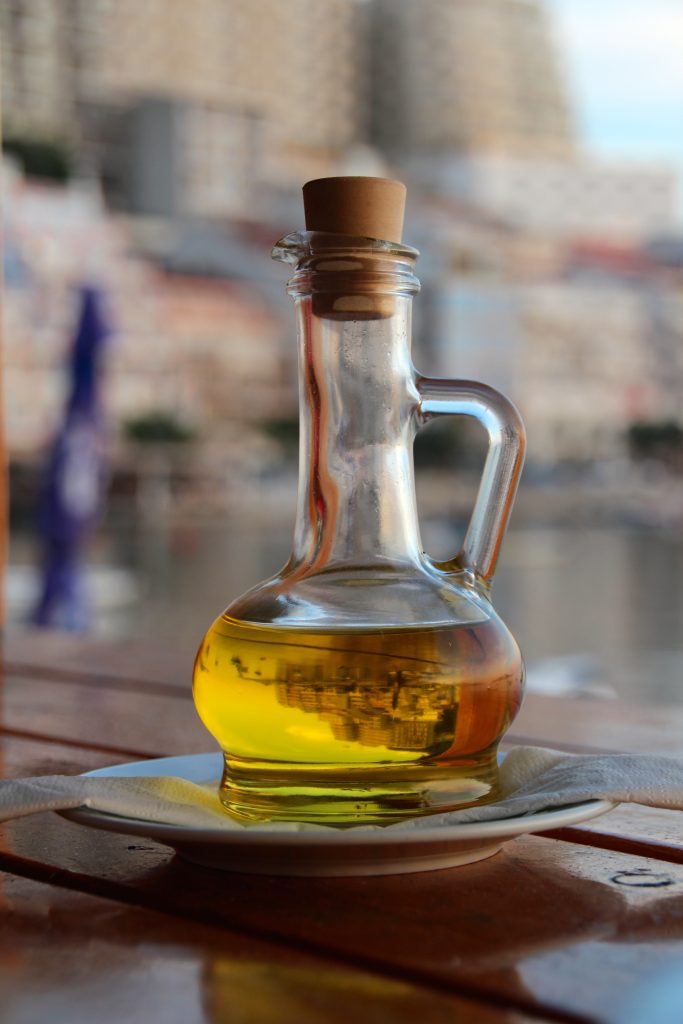
Swap these out for anti-inflammatory options like extra virgin olive oil, avocado oil, and coconut oil.
5. Alcohol
This one can feel unfair, especially when a glass of wine feels like the one thing helping you unwind. But alcohol increases intestinal permeability (also known as leaky gut), allows toxins to enter your bloodstream, and triggers systemic inflammation — all of which can worsen arthritis symptoms.
For women with rheumatoid arthritis specifically, alcohol can also interfere with arthritis medications and suppress the immune regulation your body depends on. Even moderate drinking has been shown to increase inflammatory markers in some studies.
6. Dairy Products
Dairy is a controversial one — and the truth is, it affects everyone differently. However, full-fat dairy products contain saturated fat that can increase inflammatory markers in some people. Additionally, casein (the protein in dairy) has been shown to irritate the tissue around joints in people who are sensitive to it.
Have you ever tried eliminating dairy for a few weeks to see how your joints respond? Many women are shocked by how much better they feel after cutting it out. An elimination diet can be a powerful diagnostic tool.
7. Red Meat and Processed Meats
Red meat — especially when it’s conventionally raised and consumed in large amounts — is high in saturated fat and contains compounds called purines that break down into uric acid. Elevated uric acid levels are directly linked to gout, a form of inflammatory arthritis that causes intense joint pain, most commonly in the big toe.
Processed meats like hot dogs, sausages, and deli meats contain nitrates, preservatives, and high sodium levels that further fuel inflammation. If you do eat red meat, opt for grass-fed options in smaller portions and pair it with plenty of vegetables.
8. Gluten (For Sensitive Individuals)
If you have an undiagnosed gluten sensitivity or celiac disease, gluten — found in wheat, barley, and rye — can trigger a significant immune response that contributes to whole-body inflammation, including in your joints. Research has found a notable connection between celiac disease and rheumatoid arthritis.
Even without a formal diagnosis, many women report that going gluten-free significantly reduces their joint pain and swelling. It’s worth exploring, especially if you also experience bloating, brain fog, or fatigue — classic signs of gluten sensitivity.
9. Nightshade Vegetables (For Some People)
Tomatoes, peppers, eggplant, and potatoes belong to the nightshade family and contain alkaloids called solanine. For some people — particularly those with inflammatory arthritis — these alkaloids can aggravate joint inflammation and worsen symptoms.
The research is still mixed on this one, and many people with arthritis eat nightshades without issue. But if you’ve been eating all the “healthy” foods and still struggling, nightshades might be worth eliminating temporarily to see if your symptoms improve.
10. Salt and High-Sodium Foods
Excess sodium causes the body to retain water, which puts added pressure on already inflamed joints. High-sodium diets have also been linked to increased autoimmune activity, which is a major concern for women with rheumatoid arthritis or other autoimmune conditions.
The sneaky sources of sodium include canned soups, frozen meals, condiments, pickles, cheese, and even bread. Reading nutrition labels becomes a game changer here.
11. Artificial Additives, Preservatives, and Food Dyes
Aspartame, MSG, artificial food colorings, and chemical preservatives found in ultra-processed foods have been shown to trigger inflammatory responses in sensitive individuals. For women managing arthritis alongside other hormonal or autoimmune challenges, these additives add unnecessary stress to an already burdened immune system.
The closer you eat to whole, natural foods, the less your body has to fight off these foreign compounds — leaving your immune system free to focus on healing rather than reacting.
12. Omega-6-Heavy Cooking Oils and Margarine
Margarine and spreads made from partially hydrogenated oils contain trans fats that have been shown to increase inflammatory markers like interleukin-6 (IL-6) and tumor necrosis factor-alpha (TNF-α) — both of which are involved in the inflammatory processes that drive arthritis.
Even though trans fats have been largely removed from commercial foods in Canada and the US, they can still appear in imported products and certain processed foods. Always check your labels.
So What Should You Eat Instead?
Here’s the empowering part: food truly is medicine. An anti-inflammatory diet rich in whole foods can dramatically reduce arthritis symptoms, support hormone balance, and help you feel like yourself again. Focus on building your meals around these healing foods:
- Fatty fish (salmon, sardines, mackerel) — rich in omega-3 fatty acids that reduce joint inflammation
- Leafy greens (spinach, kale, Swiss chard) — packed with antioxidants and Vitamin K for joint health
- Berries (blueberries, strawberries, cherries) — contain anthocyanins that lower inflammatory markers
- Olive oil — oleocanthal in extra virgin olive oil has similar anti-inflammatory effects to ibuprofen
- Turmeric and ginger — powerful natural anti-inflammatory spices
- Walnuts and seeds (flaxseeds, chia seeds) — excellent plant-based sources of omega-3s
- Bone broth — rich in collagen and gelatin that support joint repair and gut healing
The Gut-Hormone-Arthritis Connection Women Need to Know About
Here’s something that doesn’t get talked about enough: your gut health, your hormones, and your arthritis are all deeply connected. A compromised gut lining allows inflammatory compounds to leak into your bloodstream, triggering immune reactions that show up as joint pain. At the same time, hormonal imbalances — especially estrogen fluctuations during perimenopause — can increase the body’s inflammatory response.
This is exactly why the foods you eat matter so much. Healing your gut, balancing your hormones, and reducing inflammation are three pillars that work together. When one improves, the others follow.
Are you ready to take a deeper look at how inflammation might be affecting your hormones and overall health? That’s exactly what we explore inside the Eat to Beat Inflammation program.
Ready to Start Eating to Heal?
Understanding what’s fueling your inflammation is the first step — but having a clear, practical plan to eat differently (without feeling deprived) is where real transformation happens.
If you’re tired of waking up stiff, struggling through flare-ups, and wondering if food really can make a difference — I want you to know: it absolutely can. And I’ve seen it happen again and again in women just like you.
➡️ Join the waitlist for Eat to Beat Inflammation — a simple, doable guide to eating in a way that calms inflammation, supports hormone balance, and helps your body finally feel at home again.
Your joints, your hormones, and your whole body will thank you. 🌿 may