Nourishing Your Body One Bite at a Time
If you live with chronic illness, you’ve probably heard the word “inflammation” more times than you can count. While inflammation is a natural response that helps the body heal and protect itself, long-term inflammation may contribute to fatigue, joint discomfort, brain fog, and other symptoms that many Spoonies know all too well.
The good news? Food can be one of the tools that supports your overall wellness journey.
Here are ten nutrient-rich foods that are often included in anti-inflammatory eating patterns.
1. Fatty Fish
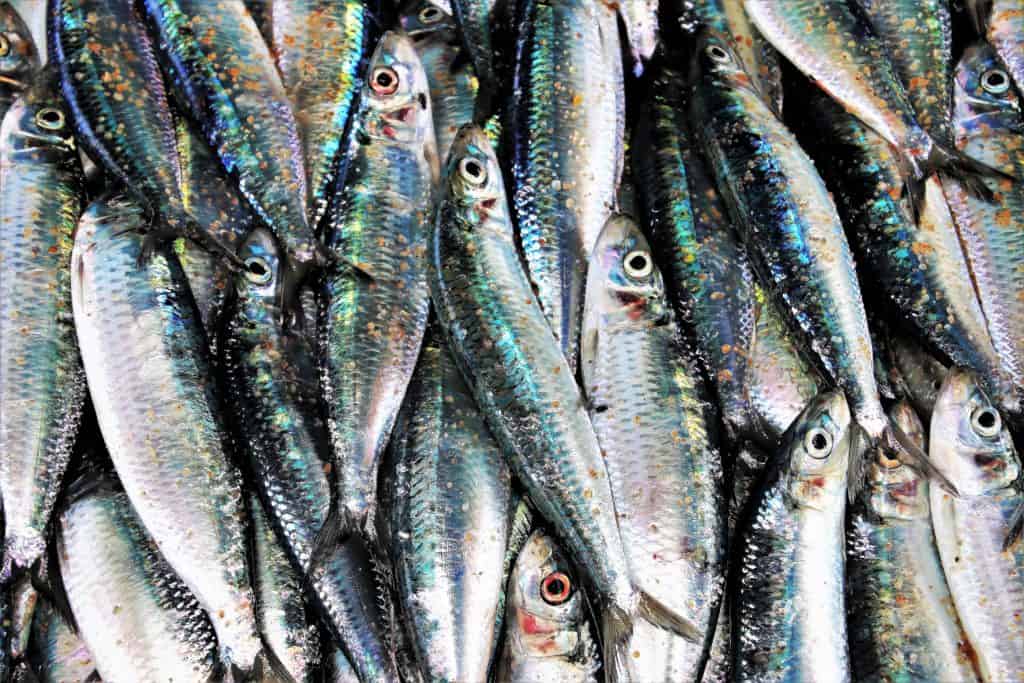
Fatty fish like salmon, sardines, and mackerel are rich in omega-3 fatty acids, which are associated with supporting heart health and healthy inflammatory responses.
Try this: Bake salmon with herbs and lemon or add sardines to a salad.
2. Berries
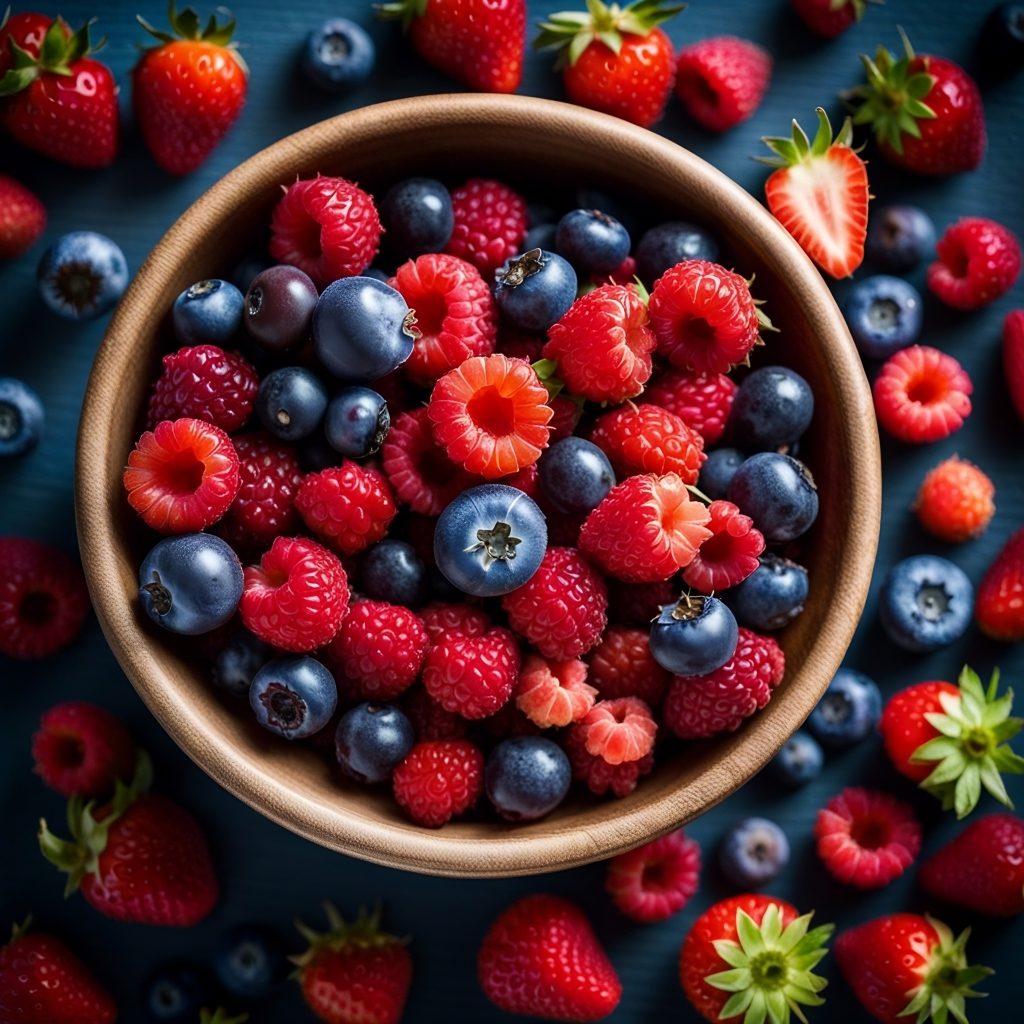
Blueberries, strawberries, raspberries, and blackberries are packed with antioxidants that help protect the body’s cells from oxidative stress.
Try this: Add berries to oatmeal, yogurt, or smoothies.
3. Leafy Greens
Spinach, kale, and collard greens contain vitamins, minerals, and plant compounds that support overall health.
Try this: Add a handful of spinach to soups, omelets, or smoothies.
4. Extra Virgin Olive Oil

Extra virgin olive oil contains beneficial plant compounds and healthy fats that are staples of Mediterranean-style eating patterns.
Try this: Drizzle over vegetables or use as a salad dressing.
5. Avocados
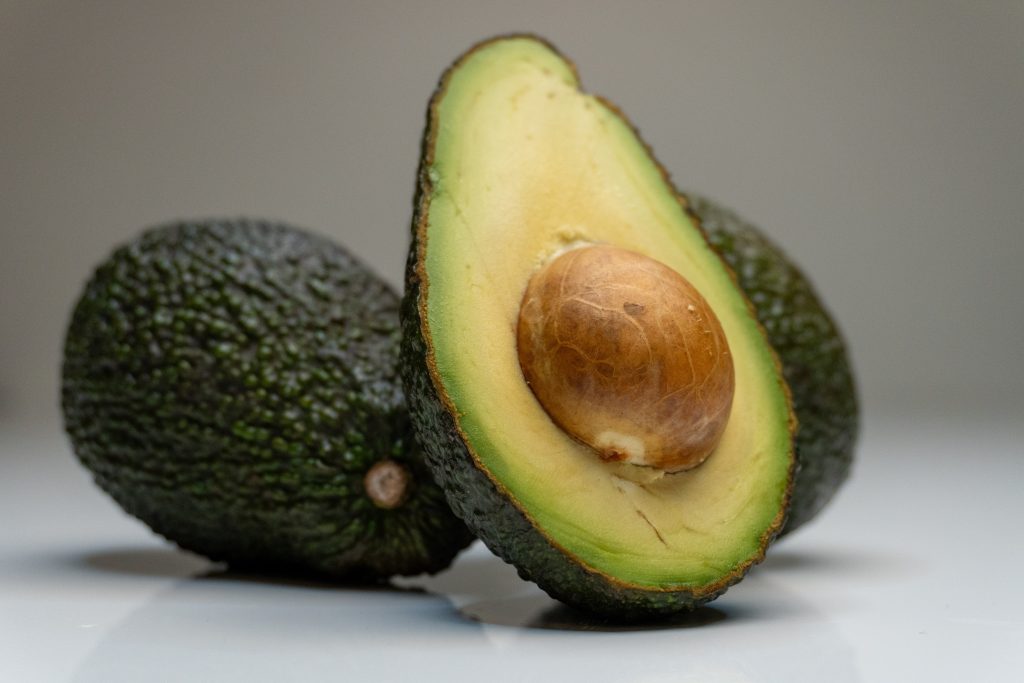
Avocados are rich in healthy fats, fiber, and nutrients that help support overall wellness.
Try this: Add sliced avocado to toast, salads, or wraps.
6. Turmeric
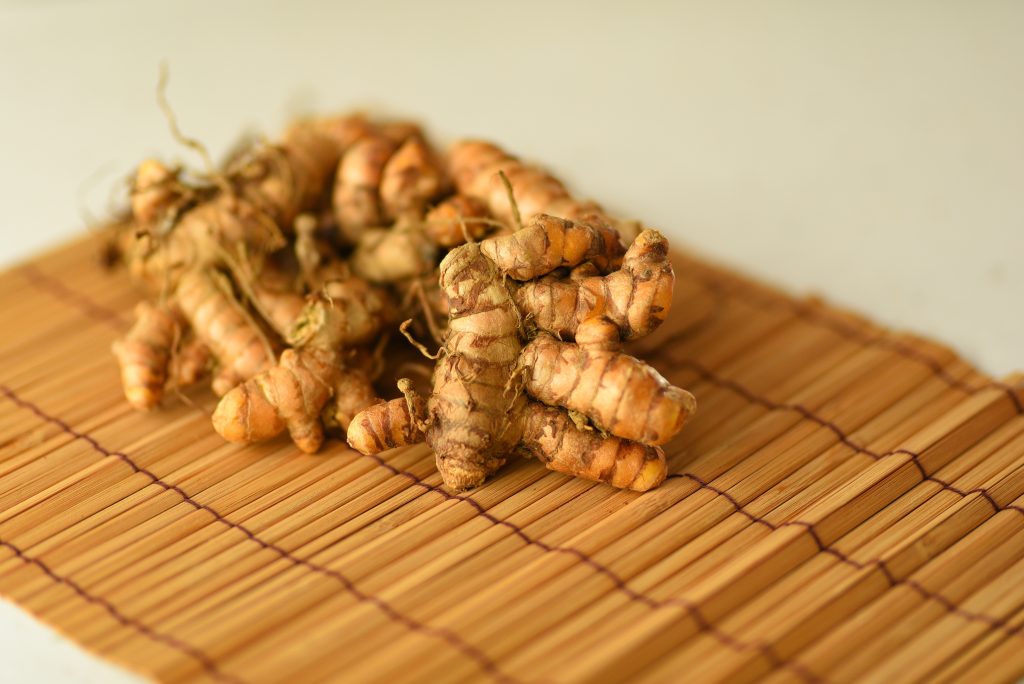
Turmeric contains curcumin, a compound that has been widely studied for its potential role in supporting healthy inflammatory responses.
Try this: Add turmeric to soups, curries, or warm golden milk.
7. Ginger

Ginger has been used for centuries in traditional cooking and wellness practices and is commonly included in anti-inflammatory meal plans.
Try this: Add fresh ginger to tea, stir-fries, or smoothies.
8. Nuts and Seeds
Walnuts, almonds, chia seeds, and flaxseeds provide healthy fats, fiber, and nutrients that support a balanced diet.
Try this: Sprinkle chia seeds on oatmeal or enjoy a small handful of almonds as a snack.
9. Green Tea

Green tea contains antioxidants called catechins that are often studied for their health-supporting properties.
Try this: Enjoy a warm cup in the morning or afternoon.
10. Cruciferous Vegetables
Broccoli, cauliflower, Brussels sprouts, and cabbage are rich in nutrients and plant compounds that support overall wellness.
Try this: Roast broccoli with olive oil and garlic for a simple, delicious side dish.
Final Thoughts
Anti-inflammatory eating isn’t about perfection. It’s about making intentional choices that nourish your body and support your well-being over time.
Small changes can add up. Signup for your Kick inflammation cookbook coming soon.
Start by adding one or two of these foods to your meals each week. Pay attention to how your body feels, and remember that everyone’s journey is different.
Food may not solve everything, but it can be a meaningful part of your wellness toolkit.
At Vital Wellnest, we believe in something simple:
Better Health. More Wealth. Thriving Anyway.
Balance Her Naturally.💜